
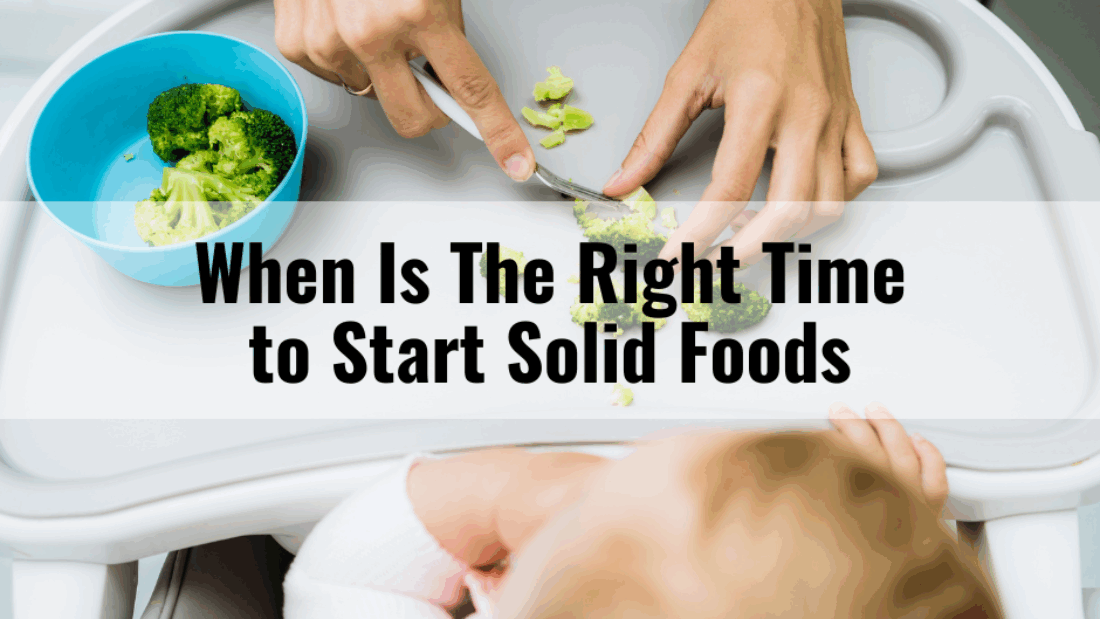
As a dietitian and a mom, one of the most common questions I hear is: “When should I start my baby on solids?”
It’s no wonder parents feel confused. You might hear from friends, family, or even health professionals that you can start at 4 months. Some websites still say “between 4 and 6 months.” And if you were born in the 80s, chances are you were started on solids as early as 2 to 4 months because that’s what the guidelines recommended back then.
So which advice should you follow? Let’s look at what the evidence says today.
WHY DO BABIES NEED SOLIDS?
Introducing solids to babies isn’t just about giving babies “real food”, it’s critical step for both nutrition and developmental reasons. Breast milk or formula will still be a main source of nutrition during the first year, but starting solids around 6 months helps meet growing needs that milk alone can’t fulfill.
1. Nutritional Reasons
- Iron needs rise: Babies are born with iron stores, but by about 6 months, those stores start to deplete. So they need iron-rich foods to support healthy growth and brain development.
- Critical nutrients: Protein, zinc, omega-3 fatty acids, and extra energy all become important to fuel your baby’s rapid growth and curiosity.
2. Developmental Reasons
- Learning to chew and bite: Solids help strengthen jaw muscles and lay the foundation for speech development.
- Oral and motor skills: Feeding supports hand-eye coordination, fine motor skills, and learning to move food around the mouth safely.
COMMON REASONS PARENTS START EARLY?
I often hear parents say:
- “My baby is so big, he must need food.”
- “My baby too small and tiny.”
- “My baby seems hungry all the time.” (increased breastfeeding demand)
- “My baby wakes up multiple times a night, maybe solids will help him sleep.”
- “My doctor recommended to start at 4 months.”
- “My baby grabbed food off my plate, he must be hungry.”
- “I wanted to offer something (iron-rich foods) alongside breast milk or formula.”
It’s completely understandable to think these are signs of readiness. But here’s the truth: breast milk (or infant formula) still provides more calories and nutrients than solids before 6 months. Increased hunger is usually growth spurt, not a sign to start solids early. And waking up at night is normal infant behavior, not a reason to rush into feeding.
THE RISKS OF STARTING SOLIDS TOO EARLY
Starting solids too early before 4 months (17 weeks) can pose several health risks. Research shows that introducing solids TOO EARLY can increase the chances of:
- Infections and Digestive Issues: Babies’ digestive systems are still maturing, and introducing solids too soon may cause gastrointestinal discomfort and infections.
- Food Allergies: Introducing certain foods too early can increase the risk of developing food allergies later on.
- Obesity: Early solid feeding can influence long-term eating behaviors, potentially contributing to a higher risk of childhood obesity.
- Kidney Strain: Babies’ kidneys aren’t fully developed in the first few months, and early solids can strain these organs, leading to imbalances in minerals they’re not yet ready to process.
- Reduced Breast Milk Intake: Solids may replace breast milk in the baby’s diet, potentially reducing milk supply and lowering access to the essential nutrients and antibodies breast milk provides.
- Choking Risk: Babies’ swallowing and chewing reflexes are not fully developed before 4 to 6 months, increasing the risk of choking on solid foods.
Waiting too long to introduce solids, beyond 7 months can present its own set of challenges. By this age, babies start needing additional nutrients that breast milk or formula alone may not fully supply. Research shows that delaying solids past 7 months can increase the risk of:
- Iron Deficiency: Babies’ iron stores begin to deplete around this time, and solids provide essential dietary iron that helps prevent deficiency.
- Food Allergies: Both early and delayed introduction to certain foods are associated with a higher risk of developing allergies.
- Texture Sensitivity and Food Fussiness: Delayed exposure may make it more challenging for babies to accept new textures and flavors, potentially leading to picky eating.
- Difficulty with Essential Nutrients: Waiting too long can mean babies miss out on critical nutrients like iron and zinc, which support growth, brain development, and immune function.
WHAT DO THE GUIDELINES SAY
Today, there is strong consensus among top health organizations, they recommend introducing solids around 6 months when babies show signs of readiness.
- World Health Organization (WHO)
- Health Canada and Canadian Paediatric Society
- American Academy of Paediatrics (AAP)
- American Academy of Family Physicians
- Australian National Health and Medical Research Council
- The AAP Section on Breastfeeding
- American College of Obstetricians and Gynaecologists
- Academy of Breastfeeding Medicine
These guidelines advocate for exclusive breastfeeding until around 6 months to ensure the digestive system is mature enough to handle solid and to protect against gastrointestinal and respiratory infections (APP 2012, Nylor & Morrow, 2001).
Breast milk or formula should remain the primary nutrition source until 12 months, with solids gradually becoming a bigger part of your baby’s diet.
DEVELOPMENT SIGNS FOR READINESS
Rather than watching the calendar, look for developmental cues that your baby is ready:
- Around 6 months of age
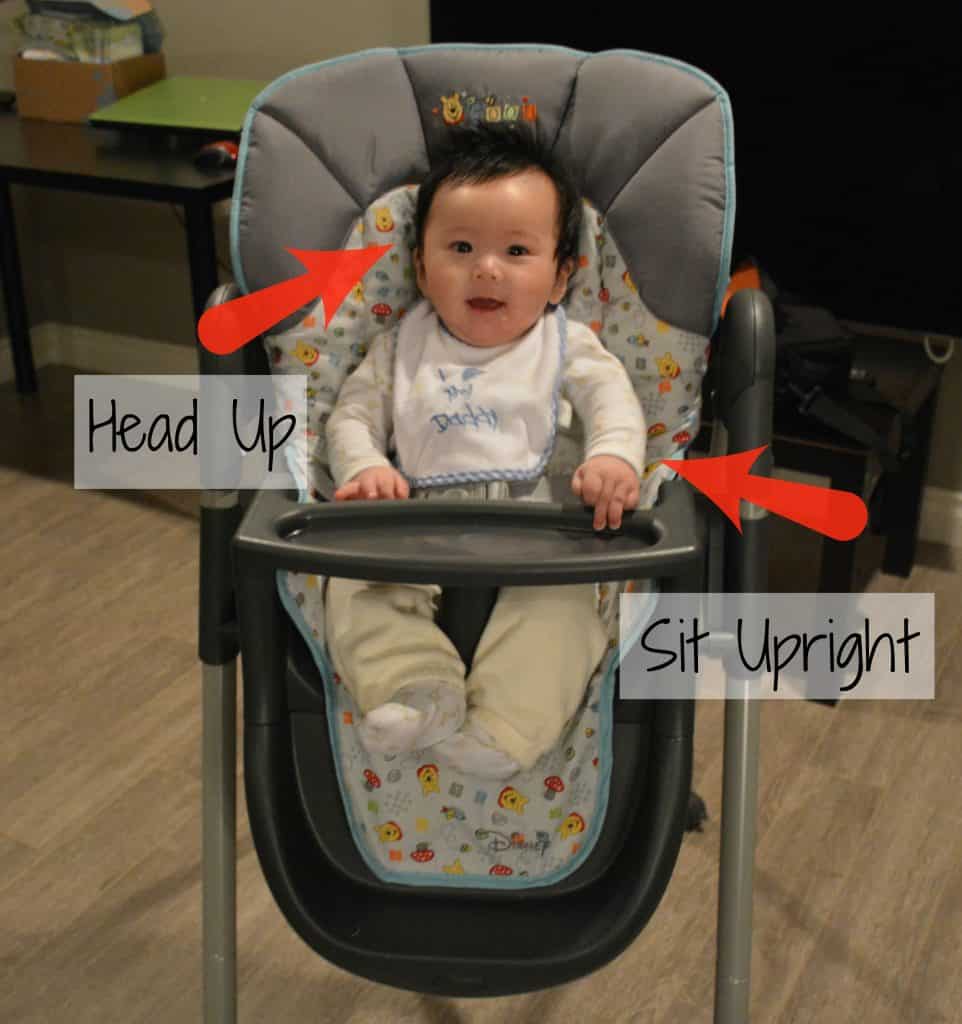
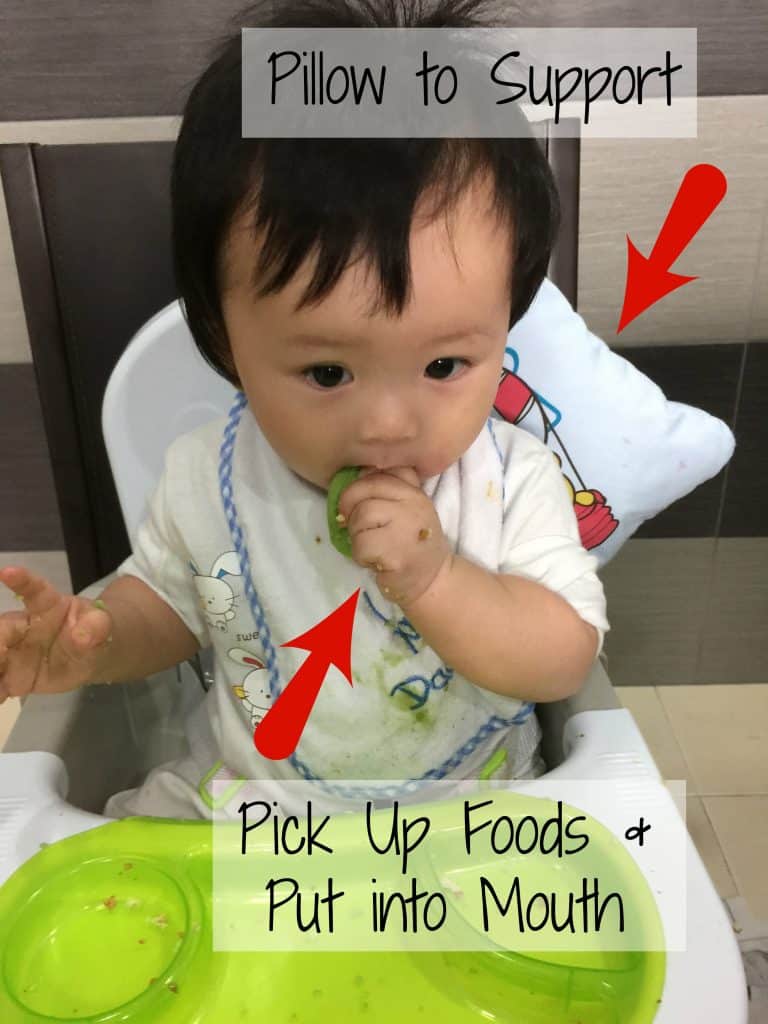
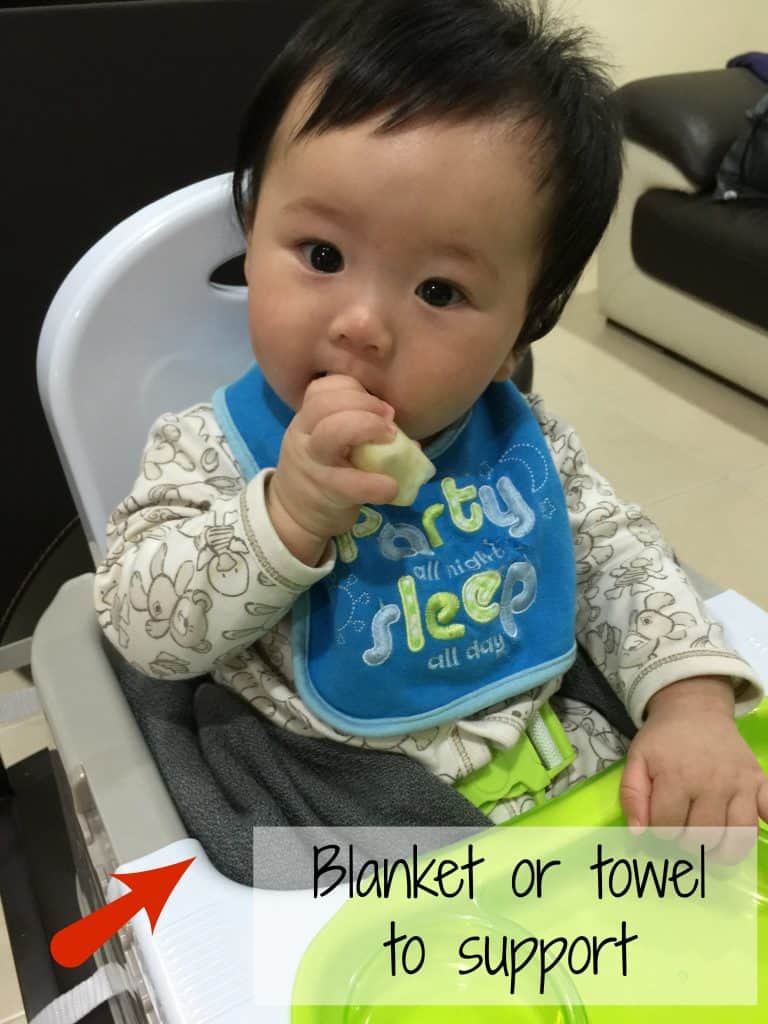
- Able to sit up with minimal support (with pillow or towel)
- Good head and neck control, able to hold head upright and steady
- Bringing hands to the mouth
- Chewing on non-food items, such as toys or teether
- Show interest in food, possibly by reaching for or leaning forward towards food
- Diminish tongue thrust reflex
PREMATURE BABIES
It’s important to consider your baby’s gestational age when deciding when to introduce solids. Premature babies may not be neurologically or physically ready for solids until approximately 6 months after their original due date, rather than their birth date. For instance, my elder son, born 2 weeks early, began solids about two weeks after turning 6 months. Similarly, Audrey and Avery, born 4 weeks early, started solids around 6.5 months. Adjusting based on gestational age allows babies to begin solids when their developmental milestones and readiness are more in line with their age-adjusted peers.
What you can do If your baby is showing obvious signs of being ready for solids before 6 months?
It’s very common for babies around 4 to 5 month to show interest in mealtimes such as reaching for food. However, this curiosity doesn’t necessarily mean they’re ready for solids. In fact, it is part of their normal development to explore by putting objects in their mouths. Here are some ways to involve your baby in mealtimes without introducing solids:
- Include Them at the Table: Let your baby join family meals in a booster seat or high chair. This gets them used to mealtime routines and sitting in their designated seat, preparing them for when it’s time to start solids.
- Provide Safe Utensils: Give your baby spoons, cups, or bowls to play with during mealtimes. This helps them get familiar with eating utensils in a fun and exploratory way.
- Introduce Open Cups: Offering small amounts of water or expressed breast milk (1-3 oz) in an open cup starting at 6 months is considered beneficial. This lets your baby practice drinking skills while engaging at the table without starting on solid foods.
BOTTOM LINE
Most babies are developmentally and physiologically ready to start solids around 6 months (sometimes a littler later, depending on corrected age for preemies). Starting too early can pose risks, while delaying too long can also create challenges.
It’s important to look for signs of readiness rather than strictly following a calendar. Remember, the decision to start solids shouldn’t come from pressure from parents or in-laws but should be based on your baby’s cues.
Baby, Bon Appétit !!
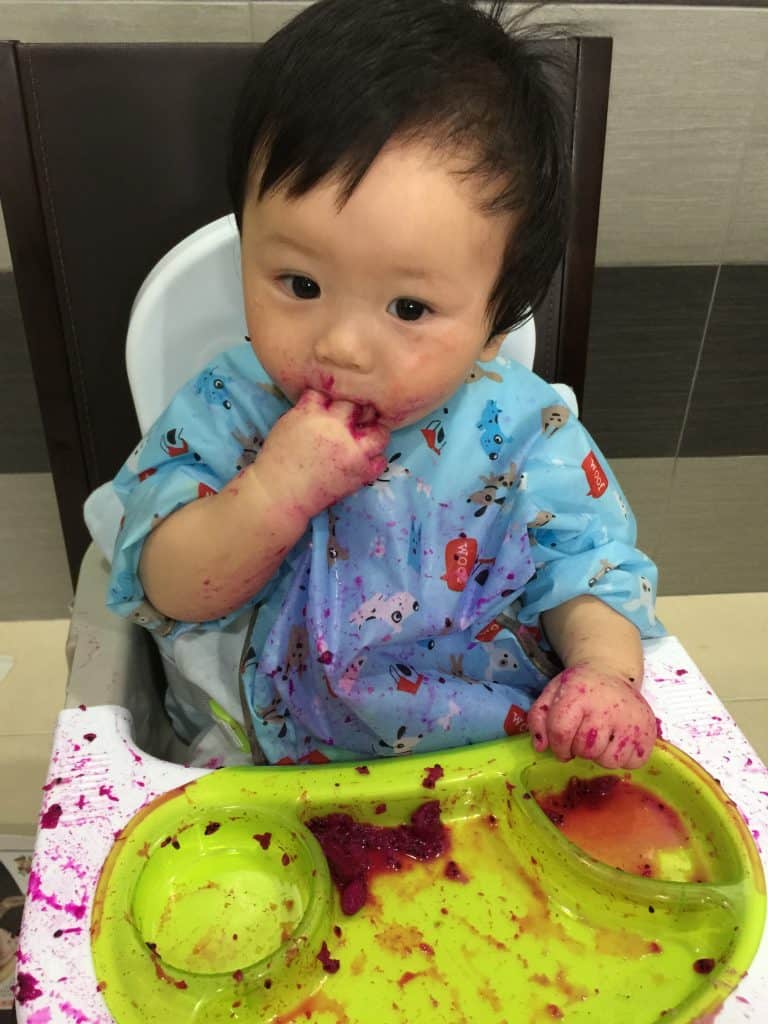
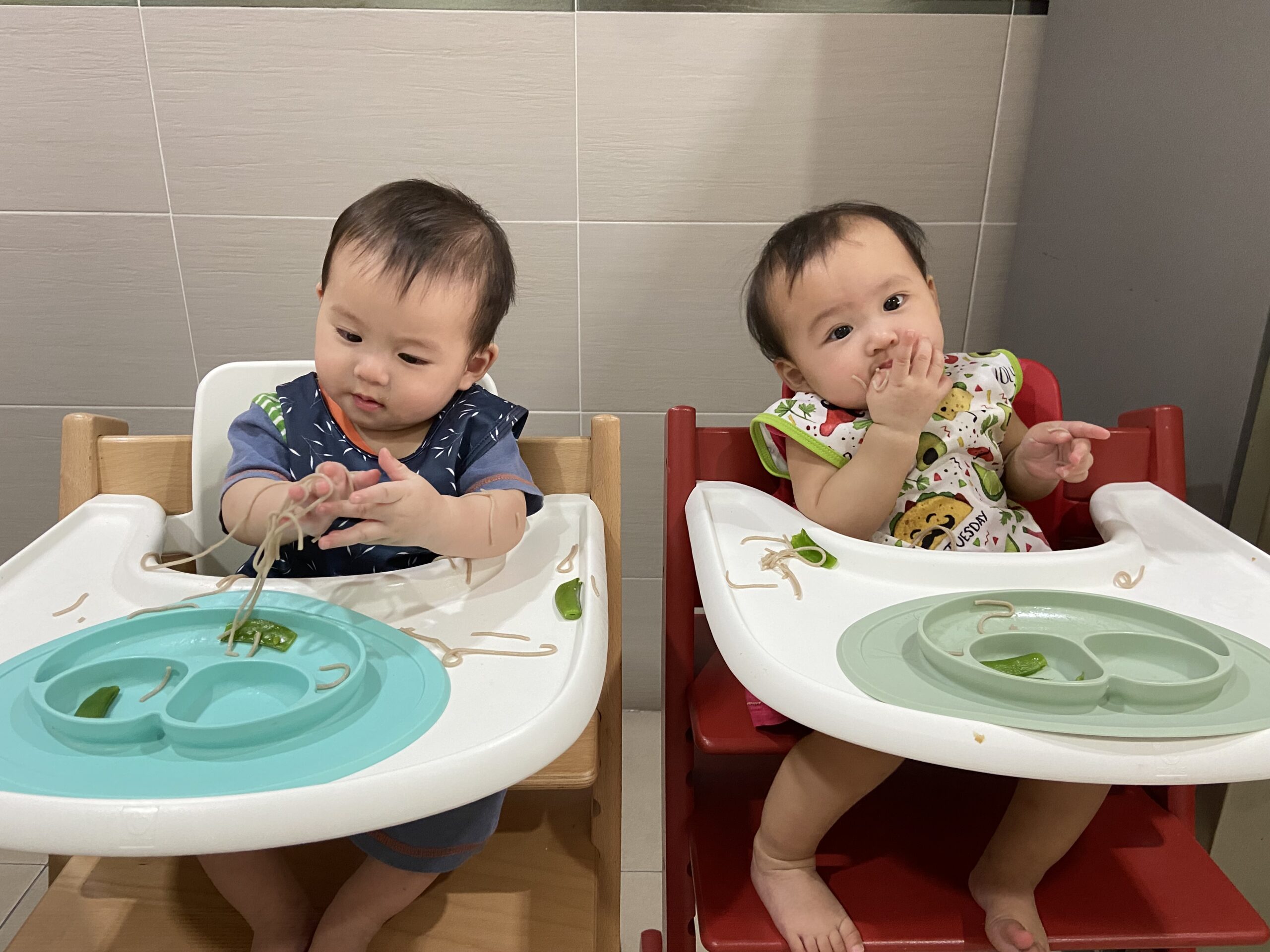
My children love making a mess during mealtime, and that’s perfectly normal! It’s all part of the learning process as they explore new textures and flavors.
As you embark on this exciting journey of introducing solid foods to your little one, remember that patience and observation are key. Every baby is unique, so trust their cues and enjoy the experience of discovering new flavors and textures together.
Struggling with introducing solids or worried about your baby’s nutrition? Baby’s First Bites online course gives you step-by-step support to help your little one explore food safely and confidently.
Update: August 22, 2025
Leave A Comment